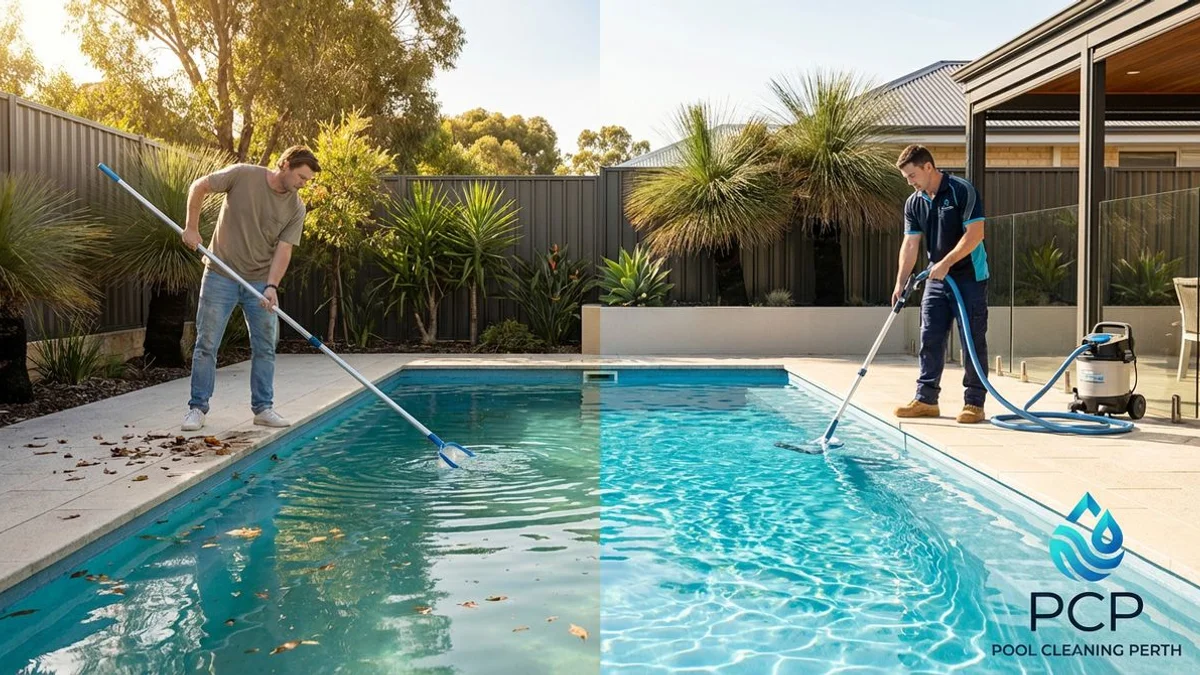
Moving out of a rental property with a pool in Perth comes with an extra layer of responsibility. If the pool is not returned in acceptable condition, you risk losing part or all of your bond. Property managers and landlords in Perth take pool condition seriously, and the standards they expect can be more specific than many tenants realise.
Understanding what is expected, what you need to do, and when to call in a professional can save you hundreds of dollars in bond deductions and avoid disputes at the end of your tenancy.
What Property Managers Expect
Every property manager has slightly different standards, but the general expectations for an end-of-lease pool are consistent across Perth:
Water Condition
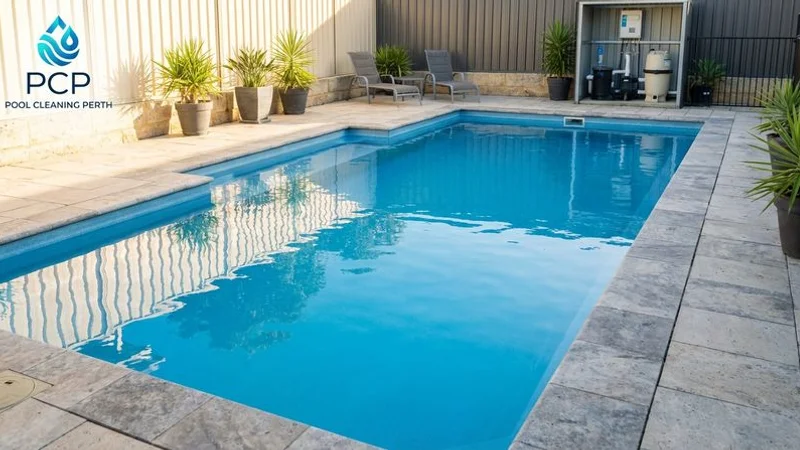
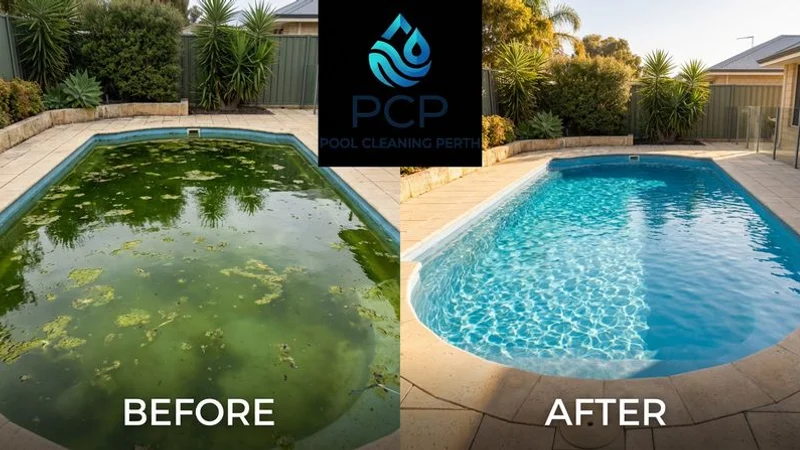
- Clear blue water: The pool water must be clear and free of algae. Green, cloudy, or discoloured water will almost certainly result in a bond deduction.
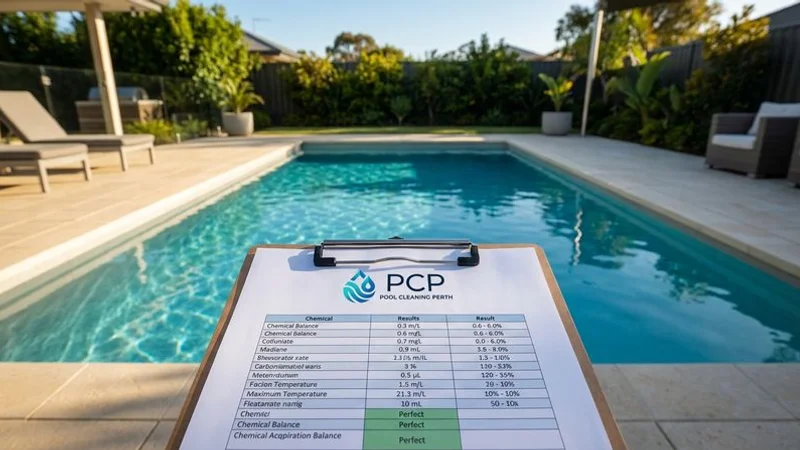
- Balanced chemistry: pH, chlorine, alkalinity, and other chemical levels should be within acceptable ranges. Some property managers request a written water test report from a pool shop or professional service.
- Correct water level: The water level should be at the midpoint of the skimmer opening. Too high or too low indicates neglect.
Physical Cleanliness
- Pool floor and walls: Free of debris, sediment, and visible algae. The surfaces should be brushed and vacuumed.
- Waterline tiles: Clean of scale, calcium deposits, and grease marks.
- Skimmer and pump baskets: Empty and clean.
- Pool surrounds: Swept and clean of leaves, dirt, and debris.
Equipment
- Pump running: The pump should be operational and running according to the timer schedule.
- Chlorinator functioning: If the pool has a salt chlorinator, it should be producing chlorine.
- Filter clean: The filter should be recently backwashed (sand filter) or cleaned (cartridge filter).
- Automatic cleaner (if provided): Working and connected.
Step-by-Step End of Lease Pool Preparation
Start preparing your pool at least two to three weeks before the final inspection. Rushing pool preparation in the last few days often leads to unsatisfactory results and additional costs.
Two to Three Weeks Before
Test the water. Take a water sample to your nearest pool shop for a comprehensive test. This gives you time to correct any chemical imbalances before the inspection. Key parameters to check:
- Free chlorine: 1 to 3 ppm
- pH: 7.2 to 7.6
- Total alkalinity: 80 to 120 ppm
- Stabiliser (cyanuric acid): 30 to 50 ppm
- Salt level (if saltwater): 4,000 to 6,000 ppm
Address any green or cloudy water. If the pool is anything other than clear blue, start treatment immediately. A mild green pool takes 2 to 3 days to recover. A moderate or severe green pool can take a week or more. Do not leave this until the last minute.
Check equipment operation. Ensure the pump starts and runs, the chlorinator is producing chlorine, and the filter is operating at normal pressure. Report any equipment faults to the property manager or landlord immediately. You are generally not responsible for equipment that fails due to age or wear, but you are expected to report issues promptly.
One Week Before
Backwash or clean the filter. A clean filter ensures optimal water circulation and clarity for the inspection.
Clean the waterline tiles. Use a pool-safe tile cleaner and a non-abrasive pad to remove scale and grime from the waterline. This is one of the most commonly failed items in pool inspections. Years of buildup will not come off in a quick wipe, so allow time for proper cleaning.
Brush the pool walls and floor. Use a pool brush to scrub all surfaces, paying particular attention to steps, corners, and areas with poor circulation where algae tends to establish.
Vacuum the pool floor thoroughly. Remove all sediment, debris, and settled particles. If you do not have a manual vacuum, consider hiring a professional for this task.
Two to Three Days Before
Retest the water. Confirm that all chemical levels are within range after your adjustments. If anything is still off, make final corrections.
Empty skimmer and pump baskets. These should be completely clear of debris.
Clean the pool surrounds. Sweep or blow leaves and debris from the pool deck, coping, and surrounding pavement. Remove any personal items from the pool area.
Check the safety gate. Ensure it self-closes and self-latches properly. If the gate was working when you moved in and no longer functions correctly, this may be considered normal wear, but a non-functional gate will be noted.
Day of Inspection
Run the pump for at least 4 hours before the inspection so the water is circulating and clear.
Do a final visual check. Walk around the pool and check for any debris that may have fallen in overnight. Skim the surface if needed.
Have your water test results ready. A printed water test report from a pool shop demonstrates that you have properly maintained the pool. This can be invaluable if there is any dispute about the pool’s condition.
Common Bond Deduction Issues
These are the most common pool-related reasons for bond deductions in Perth:
Green or Cloudy Water
This is the number one issue. If the pool is not clear blue at the time of inspection, expect a deduction. Recovery costs typically range from $250 to $800 depending on severity, and these costs will be deducted from your bond.
Dirty Waterline Tiles
Neglected waterline tiles develop a buildup of calcium scale, body oils, and sunscreen residue that becomes increasingly difficult to remove over time. If tiles are visibly dirty at inspection, the cleaning cost will be deducted from your bond.
Unbalanced Water Chemistry
Property managers may request a water test at inspection. If the water is significantly out of balance (particularly very high stabiliser levels or very low chlorine), a professional rebalancing service may be charged to your bond.
Pool Equipment Not Functioning
If equipment has stopped working during your tenancy and you did not report it, you may be held responsible. Always report equipment issues in writing to your property manager as soon as they occur.
Staining
Some pool stains are caused by tenant neglect (leaving metal objects in the pool, not removing leaves promptly, allowing organic staining to develop). Others are natural wear. If staining occurred during your tenancy due to maintenance neglect, the stain removal cost may be deducted.
When to Hire a Professional
Consider hiring a professional end-of-lease pool cleaning service if:
- The pool is green or cloudy and you are not confident treating it yourself
- You do not have time to dedicate 2 to 3 weeks of preparation
- The waterline tiles are heavily scaled and need specialist cleaning
- You want a written report confirming the pool’s condition for your records
- The pool has been neglected during your tenancy and needs significant remediation
What a Professional End of Lease Clean Includes
A professional end-of-lease pool clean typically includes:
- Full water chemistry test and adjustment
- Chemical treatment (shock if needed)
- Surface skim and vacuum
- Wall and floor brushing
- Waterline tile cleaning
- Skimmer and pump basket cleaning
- Filter backwash or clean
- Equipment function check
- Written report with water test results
Cost: $200 to $400 for a standard clean. Green pool recovery is additional.
The Value Proposition
A professional end-of-lease clean costs $200 to $400. A bond deduction for pool remediation can easily be $500 to $1,000 or more. The professional clean is often a smart insurance policy, especially if you want to avoid disputes with the property manager.
Your Rights as a Tenant
Understanding your rights can help you navigate disputes:
- Normal wear and tear is not your responsibility. A pool surface that has aged naturally during a 5-year tenancy cannot be charged to your bond.
- Pre-existing issues should have been documented in your ingoing condition report. Always photograph the pool when you move in, including close-ups of equipment, tiles, and surfaces.
- Equipment failure due to age is the landlord’s responsibility. However, failure caused by negligence (not running the pump, allowing the pool to go green repeatedly) may be attributed to the tenant.
- Fair wear on pool equipment like automatic cleaners, filter cartridges, and pump baskets is expected and should not result in bond deductions.
Documentation Is Your Best Protection
The most effective way to protect your bond is documentation:
- Photograph the pool when you move in (ingoing condition report)
- Keep records of any maintenance you perform
- Report equipment issues in writing to the property manager
- Get a professional water test before the final inspection
- Photograph the pool on the day of the final inspection
- Keep receipts for any professional cleaning services
Book Your End of Lease Pool Clean
If you are moving out of a rental property with a pool in Perth, Pool Cleaning Perth can handle the entire end-of-lease pool preparation for you. We provide a thorough clean, balanced water chemistry, and a written condition report that gives both you and your property manager confidence that the pool is in proper order. Call us on 08 7943 6637 to book your end of lease pool clean with enough time before your final inspection.
Need Professional Pool Help?
Our team of experienced technicians is ready to help with all your pool needs across Perth.
Get a Free Quote